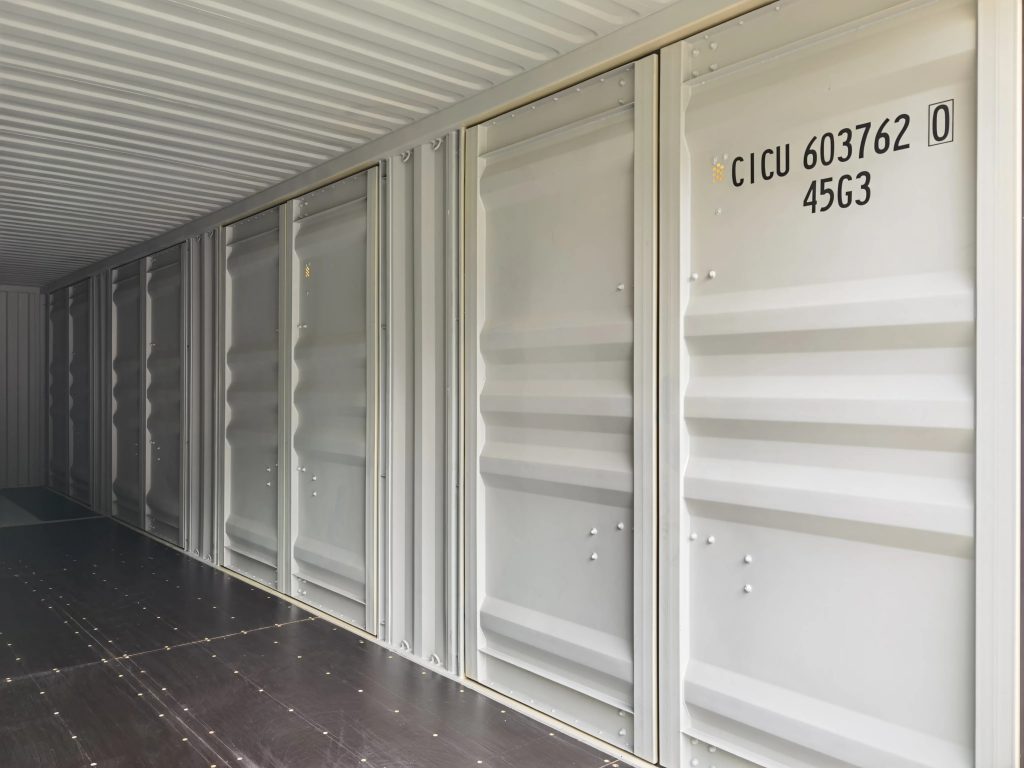
20 Fun Facts About 20ft Shipping Container


Everything You Need to Know About 20ft Shipping Containers
Shipping containers have actually become a significant part of contemporary logistics, and the 20ft shipping container is among the most popular sizes in the market. Whether you are considering purchasing one for storage, shipping, or even converting it into a special home, understanding the requirements, advantages, and uses of a 20ft shipping container can assist direct your choice.
Comprehending the Dimensions and Specifications
Standard Dimensions
| Requirements | Measurement |
|---|---|
| Outside Length | 20 ft (6.06 m) |
| Outside Width | 8 ft (2.44 m) |
| Outside Height | 8.5 ft (2.59 m) |
| Inside Length | 19.4 ft (5.9 m) |
| Inside Width | 7.7 ft (2.35 m) |
| Inside Height | 7.9 ft (2.39 m) |
| Tare Weight | 2,200 kg (4,850 pounds) |
| Payload Capacity | 28,000 kg (61,729 lbs) |
| Maximum Gross Weight | 30,480 kg (67,200 lbs) |
Container Types
While the standard 20ft container is frequently utilized, different types are also offered, each fit to particular requirements.
- Requirement Dry Container: The fundamental design, used mainly for basic cargo storage.
- High Cube Container: An extra foot taller than standard containers, enabling for additional packing space.
- Refrigerated Container (Reefer): Designed for temperature-sensitive items.
- Open Top Container: Used for large-scale cargo that can not fit through the doors.
- Flat Rack Container: Ideal for heavy loads and equipment, providing a flat surface.
Advantages of a 20ft Shipping Container
- Versatility: 20ft shipping containers have different applications, from shipping items to on-site storage or even recreational real estate.
- Economical: Smaller than 40ft containers, they often come at a lower price, making them more accessible for small companies and people.
- Easier Transportation: Their size enables simpler handling, transportation, and placement without the need for customized equipment.
- Sturdiness: Constructed from robust steel, shipping containers are designed to stand up to extreme shipping conditions, making them long-lasting and trustworthy.
- Modularity: Can easily be stacked or linked to develop larger structures or configurations, suitable for temporary offices or storage backyards.
Common Uses
- Storage Facilities: A popular choice amongst services for safe, weather-proof storage of tools and products.
- Pop-up Shops and Cafés: Entrepreneurs have actually artistically utilized containers to set up momentary retail spaces.
- Houses and Cabins: The trend of container homes has actually led numerous to convert 20ft containers into compact habitable spaces.
- Getaway Rentals: Unique stays have emerged through shipping container conversions.
Factors to consider Before Purchase
| Factors | Considerations |
|---|---|
| Condition | New, utilized, or refurbished; evaluate for rust or damage. |
| Transport | Understand transport costs and logistics. |
| Permits | Check local zoning laws for shipping container usage. |
| Insulation | Think about insulation for temperature-sensitive applications. |
| Adaptability | Options for modifying the container for particular needs. |
Regularly Asked Questions (FAQ)
1. How much does a 20ft shipping container cost?
The typical price for a 20ft shipping container varies from ₤ 1,500 to ₤ 3,500, depending on its condition and modifications. cogcontainersltd cost more, while utilized and refurbished alternatives can be cheaper.
2. Can you live in a shipping container?
Yes, lots of people reside in transformed shipping containers. They can be insulated and developed to satisfy living standards; nevertheless, guarantee compliance with local structure codes.
3. Are shipping containers waterproof?
Shipping containers are designed to be weather condition resistant, however in time, seals might degrade, so regular upkeep is suggested.
4. How do I move a shipping container?
Moving containers requires customized devices, such as a flatbed truck or a container dolly. It is suggested to hire experts for safe transport.
5. Does a shipping container need a structure?
While not always required, placing a container on a level foundation can assist avoid settling and enhance stability.
6. What is the life-span of a shipping container?
With correct upkeep, a shipping container can last 25 years or more. Different elements, such as use and ecological conditions, will affect its life expectancy.
A 20ft shipping container can be a versatile property appropriate for many applications, from storage options to innovative living areas. Its size, toughness, and cost-effective nature make it appealing to both businesses and specific consumers. By comprehending the specs, benefits, and useful applications, potential purchasers can make educated decisions that finest fit their needs. As the world moves towards more sustainable and efficient solutions, shipping containers will likely remain a prominent part of contemporary living and logistics.